
What Is a Paint Roller Knitting Machine?
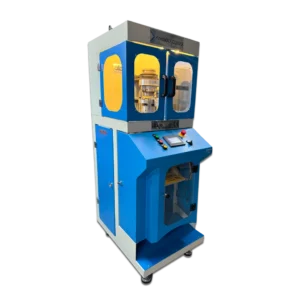
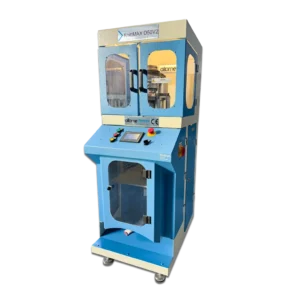
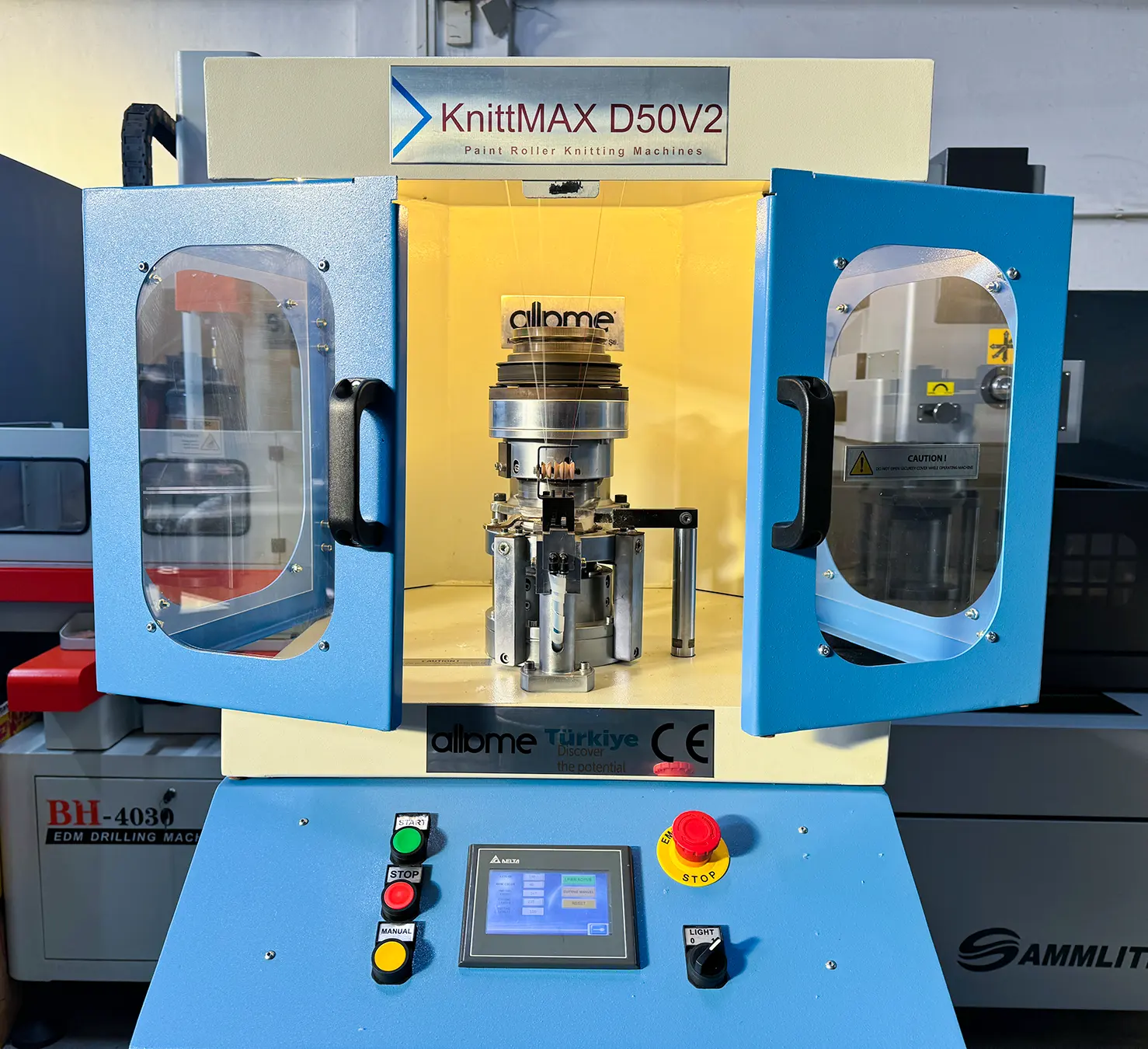
A paint roller knitting machine is a specialized industrial system designed to produce the textile covers used on paint rollers. These machines are engineered to deliver consistent quality and stable production performance, ensuring uniform roller fabric manufacturing at scale.
As textile technology has evolved, both speed and surface quality have become critical factors in paint roller production. For this reason, knitting machines are not just production tools — they are strategic investments that directly influence final product performance.
Working Principles
Paint roller knitting machines can operate using different technical systems depending on the desired fabric structure and production goal.
Needle-based systems use precision-controlled needles to form loops in a defined pattern. This method produces a stable and consistent surface texture.
Latch or rotating element systems create fabric structures through circular or rotary knitting movements, allowing different surface characteristics.
Tricot-based knitting systems are preferred when flexibility, durability, and uniform fabric density are required. This technique is especially valuable for achieving balanced paint absorption and smooth release performance.
Each system offers specific advantages depending on the intended roller application.
Key Technical Features
When evaluating a paint roller knitting machine, several core parameters should be considered:
Machine Width
Determines the maximum roller fabric width that can be produced. A wider working range provides greater flexibility for different roller sizes.
Yarn Compatibility
The ability to process different yarn types directly affects roller performance. Polyester, polyamide, microfiber, and blended yarns each provide unique absorption, durability, and surface characteristics.
Knitting Speed
Production speed defines overall output capacity. Higher speed increases productivity, but maintaining the right balance between speed and fabric quality is essential.
Knitting Patterns
The machine’s pattern capability determines the final surface texture of the roller cover. Different knitting structures create different paint loading and release behaviors.
Application Areas
Although primarily used in the paint industry, paint roller knitting machines also serve additional sectors:
• Painting and decorative applications: Production of professional and industrial-grade roller covers.
• Packaging industry: Technical textile applications for protective wrapping solutions.
• Cleaning equipment manufacturing: Surface application and cleaning textile production.
Industry Importance
Paint roller knitting machines sit at the intersection of textile engineering and surface application technology. They directly influence product consistency, efficiency, and manufacturing cost control.
A properly engineered machine provides:
• Stable production performance
• Lower waste rates
• Uniform fabric structure
• Long-term operational reliability
In short, a paint roller knitting machine is more than manufacturing equipment — it is a core factor in determining the overall quality and competitiveness of the final product.
how can we help you?
Looking for the right paint roller knitting machine for your production line?
Tell us your capacity, roller diameter, and technical expectations.
Our team will guide you to the most suitable KnittMAX solution and provide a fast, detailed quotation tailored to your needs.
KnittMAX machines deliver stable performance and consistent quality. The custom-built approach perfectly matched our production needs.
