
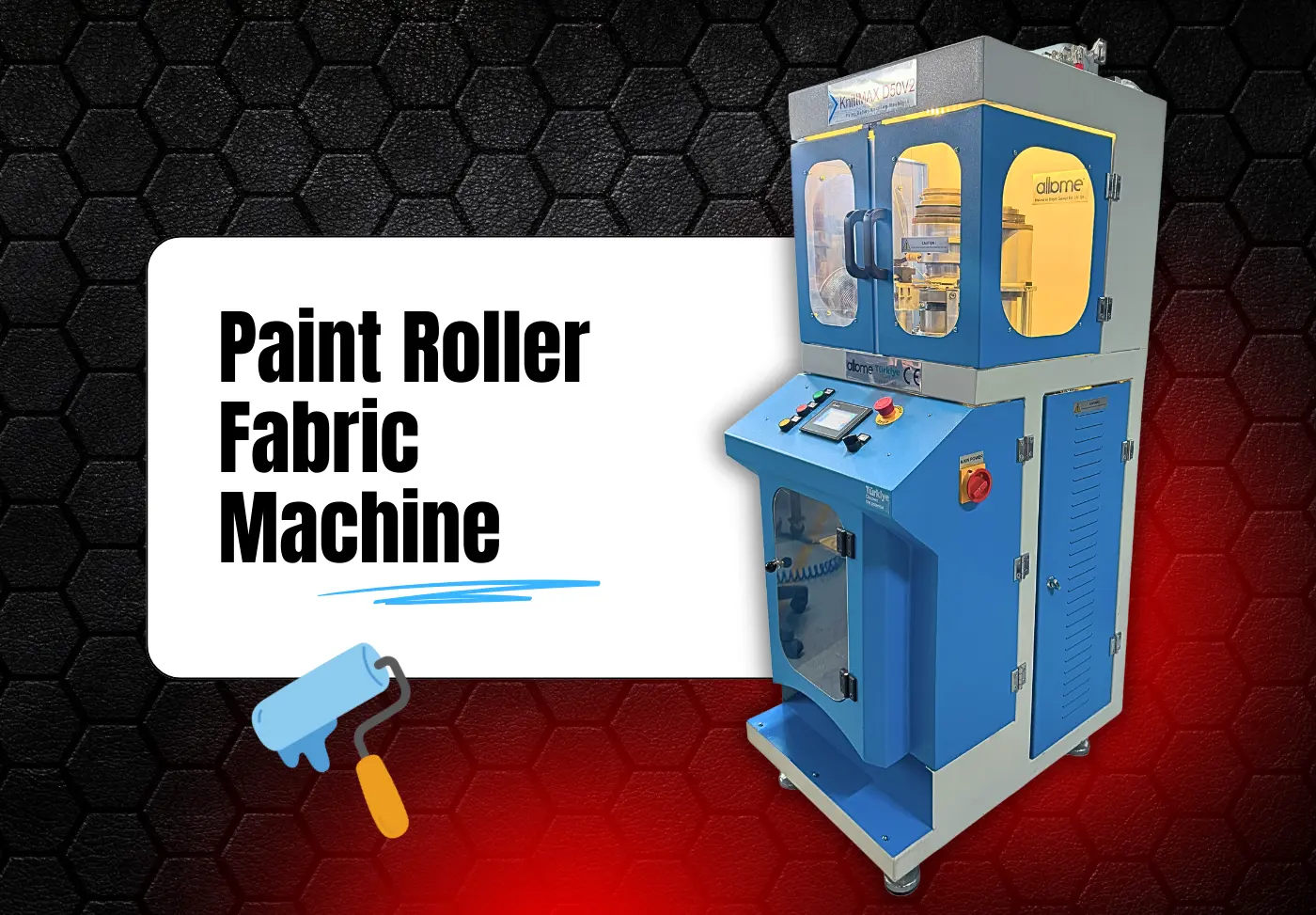
A paint roller fabric machine is the heart of roller cover production. It creates the textile layer that holds and releases paint. If the fabric is wrong, the roller fails. If the fabric is right, the finish looks smooth and even. Everything starts here.
Many people focus on the plastic core or the handle. But professionals know the fabric matters most. The texture, density, and yarn type decide how much paint the roller can carry. They also affect how clean the wall looks after one pass.
Why Fabric Quality Changes Everything
When you walk into a paint store, roller covers may look similar. They are not. Some shed fibers. Some leave lines. Others soak up too much paint and drip.
The difference comes from how the fabric is knitted.
A good machine forms consistent loops. It keeps yarn tension steady. It avoids weak spots. This gives you:
• Even paint absorption
• Smooth release on the wall
• Low fiber shedding
• Longer roller life
If loop height changes across the surface, the paint load changes too. That leads to patchy walls. Contractors notice this right away.
How the Machine Actually Works
The process sounds simple. Yarn feeds into the knitting zone. Needles create loops. The fabric forms as a continuous tube. But the details matter.
Modern systems control:
• Stitch density
• Loop height
• Yarn tension
• Production speed
Some setups use circular knitting heads. Others rely on tricot-style systems. Each structure creates a different surface feel. Short pile works for smooth walls. Longer pile handles rough concrete or textured plaster.
Choosing the Right Yarn
The machine alone is not enough. Yarn choice shapes the final result.
Polyester is common. It is durable and affordable.
Polyamide adds strength.
Microfiber improves paint pickup and smooth finish.
Blended yarns combine benefits.
A flexible paint roller fabric machine must handle all these types without losing stability. If tension control is weak, yarn breaks. Downtime increases. Waste grows.
Production Efficiency and Cost Control
Fabric production defines your margin.
If your machine wastes yarn, costs rise. If fabric quality varies, you face returns. A stable system lowers rejection rates. It keeps daily output predictable.
Manufacturers who invest in strong knitting technology often see:
• Lower material loss
• Fewer operator errors
• Stable daily capacity
• Consistent roller performance
Over time, this builds trust with distributors and contractors.
From Fabric to Finished Roller
After knitting, the fabric moves to cutting, gluing, and finishing stages. If the tube diameter is uneven, fitting becomes difficult. If thickness varies, trimming creates defects.
That is why the knitting stage is not just one step. It sets the standard for the whole line.
Companies that produce their own fabric gain more control. They can adjust density for different markets. Europe may demand smoother finishes. South America may need thicker nap for rough walls. Flexibility gives you market power.
A paint roller may look simple. It is not. The surface people see on the wall depends on fabric structure. And fabric structure depends on the machine behind it.
If you are planning to enter roller manufacturing or upgrade your line, focus on fabric technology first. A strong paint roller fabric machine is not just equipment. It defines product quality, brand image, and long-term growth.
how can we help you?
Looking for the right paint roller knitting machine for your production line?
Tell us your capacity, roller diameter, and technical expectations.
Our team will guide you to the most suitable KnittMAX solution and provide a fast, detailed quotation tailored to your needs.
KnittMAX machines deliver stable performance and consistent quality. The custom-built approach perfectly matched our production needs.
